

Simple Strategies for Small Booth, Big Impact at Trade Shows
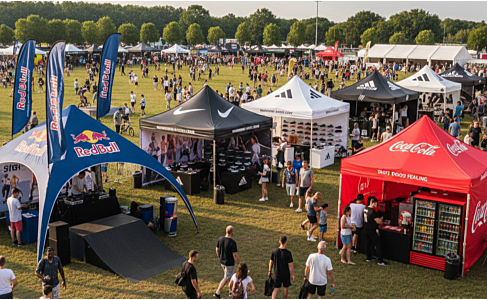
Every booth tells a story long before a single word is spoken. People walk past dozens of stands at any event, and without even realising it they make fast decisions about which ones feel worth approaching. They read colour, shape, layout and energy before they read text. In years around trade show floors, local fairs, home shows, seasonal markets and outdoor events, one thing has always been clear. The spaces that communicate well do so because their signage, placement and purpose are not accidental. They’re deliberate.
Whether a business owns a modest pop up stand or a full custom build, the challenge stays the same. How do you create a space that feels eye catching without becoming loud. How do you keep things lightweight while still offer durable performance? How do you balance affordability with professionalism? These questions shape every project, and they matter even more when potential customers give you only a few seconds of their time.
Across Australia, teams often enter a busy event calendar with good intentions but not always a clear plan. A booth built with intention makes decisions easier. You understand where to use custom signs, when to rely on plastic signs, which popular material genuinely suits your intended use and how weather conditions influence every choice for outdoor signage. The moment that clarity arrives, the booth becomes far easier to manage. You know what belongs, what doesn’t and what supports your business best.
This guide works through the practical steps people face every day. It brings together real conversations, repeated outcomes and lessons learnt from countless events where signage printing and booth design shaped performance more than any single product or pitch.
1. Creative Small Booth Ideas: Maximising Impact with Custom Signs and Custom Signage
A small booth can be an advantage when used correctly. Limited space forces decisions that many larger stands avoid. Instead of filling the area with extra furniture or heavy displays, the entire focus goes into clarity and movement. A compact space becomes a perfect option for precise messaging, and the right custom signage pulls more weight than you may expect.
The strongest small booths share a few characteristics. The first is immediate readability. When visitors glance toward your stand, they need to understand your business name, what you offer and why they should stop. Custom signs with your own text allow you to tailor that message to the event audience. Whether you’re speaking to homeowners, corporate buyers or casual browsers, the tone and content shift slightly based on what those customers care about.
Height plays a role as well. Signs placed around eye level do far more than floor graphics or low mounted posters. A vertical brand stand gives your layout visual structure. It doesn’t need to be large, but it does need to be highly visible from a distance. Foam PVC and lightweight fabric options give clean lines without the weight of timber or metal. These materials also suit transport between multiple events, which makes life easier for teams managing a busy calendar.
Movement inside the booth matters too. People feel comfortable when the space tells them where to look first. A simple sequence often works best.
• A primary sign with your business name and main offer.
• A secondary section that expands on services or showcases special offers.
• A final point where people pause, usually a clean counter or panel displaying key information.
When this flow feels natural, visitors settle into the space without effort. Small booths achieve big results when the design stays thoughtful rather than crowded.
2. Unique Trade Show Displays: Beyond the Basics of Signage Printing
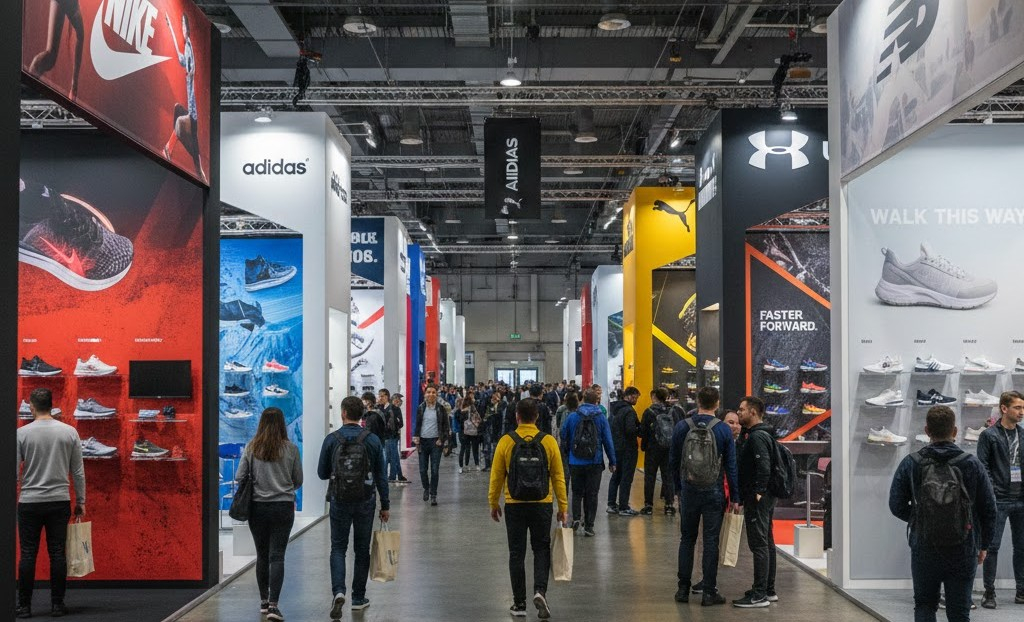
Trade shows carry a rhythm unlike most events. People come ready to compare, question and evaluate. A booth must earn trust quickly, and that happens long before staff begin conversations. Many teams assume signage printing alone will carry the display, but trade show environments reward integration over quantity.
Visitors tend to scan from the top down. Overhead banners, suspended elements or a tall backdrop play the opening note. They establish tone and brand identity. The middle layer then introduces services, product categories or visual highlights. The lower level holds the details. Plastic signs, vinyl panels, foam PVC boards and fabric prints can all take part, but each needs a defined purpose.
The most effective trade show booths avoid mixed messages. When people see too many competing ideas, the brain checks out. A cohesive design uses shape and style to guide attention. Curved lines can soften a space. Straight verticals add structure. Colour blocks create zones that separate different parts of the offer. Even subtle decisions like choosing a matte finish over gloss can influence how images read under event lighting.
Trade shows also reward storytelling through visuals. People like to see outcomes, not just promises. When a booth shows finished projects, successful installations or clear before and after images, it allows visitors to picture themselves as future customers. Those images, when printed correctly on the right material, provide a sense of reliability without saying a word.
Above all, a trade show booth earns its success when the layout encourages conversation. If signage answers the basic questions, staff can focus on understanding specific needs rather than repeating the same information all day. That shift improves rapport, increases sales and reduces visitor fatigue.
3. Budget Friendly Booth Designs: The Smart Use of Plastic Signs and Popular Material
Budgets vary widely between businesses. Some invest heavily in large displays while others build smart, flexible booths that adapt across multiple events. Plastic signs often become the anchor for budget conscious teams because they offer durability, good visibility and a balanced price point.
Corrugated plastic remains one of the most widely used materials for indoor and outdoor signage when cost efficiency matters. It holds colour, handles light weather exposure and stores easily. Many community groups, small businesses and seasonal vendors choose it because large quantity orders remain affordable, allowing them to print signs for promotions, directional needs or brand awareness without stretching resources.
Foam PVC differs slightly. It offers a more refined finish, resists scratches and looks professional even after years of use. When printing directional signage, informational panels or reusable branding elements, foam PVC often becomes the best material for long term value. It remains lightweight, making it easier to transport in standard vehicles or event containers.
Vinyl plays its role as well. For banners, flexible panels or temporary promotions, vinyl provides strong visibility at a low cost. It suits odd shapes, large sizes and spaces where signs need to hang, wrap or attach to frames.
Budget conscious booths succeed when the design remains disciplined.
• Prioritise the most important message.
• Select material based on intended use, not guesswork.
• Keep printing clean, with minimal clutter.
• Use durable pieces for long term brand elements and low cost materials for event specific promotions.
This mindset prevents overspending while still building a display that looks professional and well considered.
4. Eye Catching Home Show Displays: Harnessing the Power of Your Brand Stand
Home shows occupy a unique space in the event world. People attend with a mix of curiosity and intention. They want ideas for their house, they want clarity on pricing and they want reassurance that the businesses they meet can deliver real outcomes. A strong brand stand helps with all three.
The layout at a home show must feel inviting. Harsh lighting or cluttered displays tend to push visitors away. When a booth uses fabric prints, soft banners or warm colour tones, people feel more comfortable stepping in. Foam PVC panels or vinyl signs serve well for high detail images such as renovation concepts, exterior improvements, landscaping or interior design options. These materials allow crisp printing that holds up under event lighting and onlookers standing very close.
Home show visitors appreciate direct answers. Signage that clearly states services, price ranges, project timelines or house related promotions builds confidence. When people see honesty displayed upfront, they approach with fewer doubts.
It also helps to present the booth like a miniature showroom. A few well placed signs can describe a material, a process or a decision without overwhelming the space. Posters can highlight project stages. A window decal can demonstrate how a treatment appears in real life. A single vertical sign can explain the core message of the business.
When the booth communicates calmly and clearly, customers linger longer. That extra time creates openings for meaningful conversations that often lead to solid leads or immediate sales.
5. Seamless Solutions: Designing Your Display with the Best Online Sign Tools
Good design no longer requires expensive software or specialised skills. Online sign tools allow teams to create layouts, adjust elements and upload logos without needing to start from scratch. The advantage becomes clear when deadlines are tight or when multiple staff members need to approve the design before printing.
Working digitally also prevents common errors. When you preview your sign at scale, you avoid text that appears too small, colours that don’t match or images that lose clarity. Online tools also help ensure your file suits the material. A sign printed for indoor use may require a lighter material than one meant for outdoor events. When the platform guides you through these choices, decisions become easier and more accurate.
These tools help create consistency across a full display.
• You can align fonts, colours and spacing across banners, flags, window panels and posters.
• You can match your business name and logo placement across pieces to build familiarity.
• You can apply clear messaging that feels professional and easy to read.
A well designed digital file prevents costly reprints and helps teams feel confident that their signage will arrive looking exactly as intended.
6. Versatility for Indoor and Outdoor Events: Choosing the Right Display Strategy
Not every event shares the same conditions. Some booths remain sheltered inside busy exhibition halls while others sit outdoors under strong sunlight or unpredictable weather. That difference shapes material choice far more than people expect.
Vinyl remains one of the most reliable materials for indoor and outdoor use. It handles moisture, remains stable in heat and delivers clear printing for text and images. Foam PVC serves well when you need a rigid panel that will not warp. Plastic signs suit locations with foot traffic or areas where people may brush past the display.
Outdoor events add complexity. Strong wind can pull on banners or flags if they are not secured well. Sunlight can fade cheaper inks or thin materials. Dust, humidity and uneven ground all influence how your booth feels and performs. That is why the intended location must guide every printing decision.
Indoor events, in contrast, allow more freedom with fabric prints, lightweight frames and shapes that might not withstand outdoor conditions. Indoors also offers cleaner lighting, allowing detailed posters and imagery to truly shine without competing against glare or shadows.
A strategic approach considers three questions.
• Will this sign remain outdoors for long periods.
• Is the material suited to weather conditions and transport.
• Does the booth maintain its professional appearance under both natural and artificial light.
Careful planning creates a booth that feels cohesive no matter where it stands.
7. Durability Meets Design: Signs for Outdoor Use and Long Term Impact
Outdoor signage demands more resilience than indoor alternatives. Sun, wind, temperature changes and frequent movement create constant pressure. Materials chosen without this in mind often fail early, forcing teams to replace signage faster than planned.
Vinyl banners remain a staple for outdoor use because they offer durability without sacrificing visibility. They resist moisture, clean easily and stay legible even from a distance. PVC boards and foam PVC provide long term structure. They resist scratches, maintain shape and hold printing well over repeated seasons.
Many businesses also value the flexibility of reusable signage. A set of durable signs used across multiple outdoor events builds brand recognition and saves money. People begin to recognise the colours, the shapes and the tone. Over time, the display becomes familiar to returning customers and creates a sense of professionalism.
Outdoor signage also needs clear messaging. Wind, crowd movement and open spaces mean people may only catch a quick glimpse. A sign with too many details risks losing its purpose. Strong contrast, good placement and concise messages often outperform more elaborate designs.
Durability becomes an investment. A well chosen material supports the brand for years, not just a single season.
8. The Ultimate Checklist: Ensuring Your Booth Succeeds with Strategic Signage
Every successful booth shares a foundation built on purposeful decisions. Before committing to any display, work through this checklist to ensure your design holds up under real event conditions.
• Is the main message clear within seconds.
• Does the signage suit the intended use and specific location.
• Are materials chosen based on weather conditions and expected life.
• Does the booth layout accommodate steady movement without blocking visibility.
• Are banners and signs placed at heights that visitors naturally read.
• Does each piece of signage support the overall display rather than compete for attention.
• Are colours, fonts and logo placement consistent across the full set.
• Does the booth showcase your current range and promotions accurately.
• Can the materials handle both indoor and outdoor requirements if needed.
• Does the printing maintain clarity from a distance and up close.
This checklist keeps teams focused and helps avoid last minute issues that arise when signage decisions are rushed. A booth built with intention feels calm, organised and trustworthy, which directly influences how visitors respond.
Final Thoughts
A booth is more than a physical space. It becomes the first conversation between your business and the people you want to reach. With thoughtful signage, practical material choices and a clear understanding of intended use, you create a display that supports your goals across indoor and outdoor events. Good design does not rely on excess. It relies on clarity, purpose and a layout that respects how visitors think and move.
If your business is preparing for a trade show or planning new signage for the year ahead, Event Display can support your project with a wide selection of materials, printing options and guidance shaped by real experience. We’re here when you’re ready to bring your next display to life.